Reiki & Energy · 9 min read
What Is Energy Healing? Types, Benefits and What a Session Involves

By Chandini Botre
Updated
In short
Energy healing is a group of practices based on the idea that a life-force energy flows through and around the body, and that working with it can support balance and wellbeing. Common types include Reiki, Pranic Healing, chakra balancing, aura cleansing, crystal healing and sound healing. It is complementary to medical care, and most people come for relaxation, calm and a sense of feeling like themselves again.
Energy healing is a name for practices that work with the body's life-force energy, the idea that a subtle energy flows through and around us and can become blocked, depleted or out of balance. A practitioner uses light touch, no touch, crystals, sound or focused intention to help that energy move more freely. People come for rest, calm and a sense of feeling more like themselves. Energy healing is complementary: it supports wellbeing alongside medical care and does not diagnose, treat or cure illness.
The core idea behind energy healing
Many traditions describe a vital energy that animates the body. In Japan it is ki, in China qi, in India prana. Energy healing practices share the belief that when this energy flows well, we feel more balanced in body, mind and emotions, and when it is stuck or low, we may feel tired, heavy, anxious or disconnected.
Science has not measured this energy, and research on energy healing is limited and mixed. What people report is easier to observe: after a session they often feel relaxed, lighter and calmer. Many people use energy work the way others use a massage or a quiet walk, as a regular way to reset.
Types of energy healing
There are many forms of energy work. These are some of the most common. The table only describes what each practice involves.
| Type | Roots | What it involves |
|---|---|---|
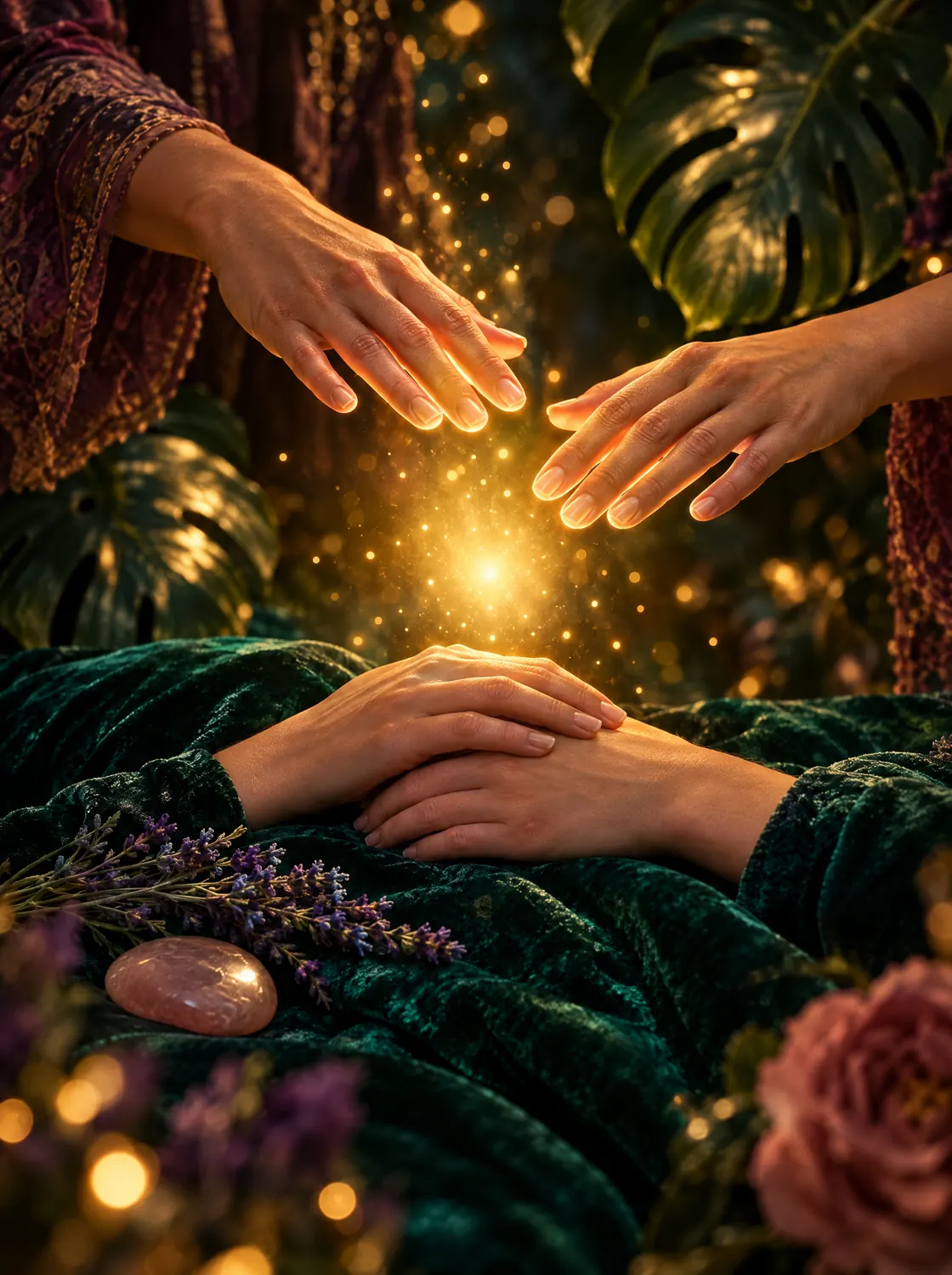
| Reiki | Japan, developed by Mikao Usui in the early 1920s | Practitioner rests hands on or just above the body, or works at a distance, as a channel for life-force energy |
| Pranic Healing | Developed by Master Choa Kok Sui in the 1980s | No-touch method: the practitioner scans the energy field, cleanses congested energy, then energizes with prana |
| Chakra balancing | Yogic and tantric traditions of India | Work focused on the seven main energy centers along the spine, using touch, intention, breath, crystals or sound |
| Aura cleansing | Found across many spiritual traditions | Clearing the energy field around the body, through sweeping hand movements, breath, sound, smoke or intention |
| Crystal healing | Folk and spiritual traditions worldwide | Placing crystals on or around the body, or holding them, with each stone linked to particular qualities |
| Sound healing | Many traditions, including Himalayan singing bowls | Singing bowls, gongs, tuning forks or voice used to create vibration and deep rest, often as a group "sound bath" |
| Qigong | China | Gentle movement, breath and focus to cultivate and balance qi, usually practiced by yourself after learning from a teacher |
Many practitioners combine several of these in one session. For a closer look at the two most common hands-on methods, read what is Reiki and Pranic Healing vs Reiki.
What an energy healer does
An energy healer is a practitioner trained in one or more of these methods. Sessions vary, but most include:
- A conversation. What brought you in, how you are feeling, anything you would like to focus on.
- Resting. You lie down or sit comfortably, fully clothed. For remote sessions, you rest at home.
- The energy work. The practitioner uses their methods, such as hand positions, scanning and sweeping, placing crystals or using sound.
- Closing. You come back slowly, and the practitioner may share what they noticed and offer simple suggestions.
A good energy healer is clear about what the work can and cannot do, welcomes your questions and never asks you to stop medical treatment.
What a session feels like
People often describe warmth, tingling, a sense of heaviness or floating, drowsiness, emotions rising, or colors behind closed eyes. Feeling nothing in particular is also normal. Afterward, people commonly feel relaxed, sometimes tired, and occasionally emotional for a day or so.
Energy healing benefits people report
These are experiences people describe. None of them is guaranteed:
- Feeling calmer and less wound up
- Sleeping better after a session
- A sense of emotional release or lightness
- Feeling more grounded and present in the body
- Clearer thinking during a stressful or uncertain time
- A dedicated hour of care during a hard season such as grief, burnout or illness
Some of this may come from simply lying still while someone attends to you with care. That is still worth having.
Spiritual healing and energy healing
Spiritual healing is a broader term. It can include energy work, but also prayer, meditation, intuitive guidance, ritual and inner work such as shadow work. Energy healing tends to focus on a specific method and on how you feel in your body. Spiritual healing often reaches toward meaning, purpose and your relationship with yourself.
Many practitioners offer both. A session might begin with Reiki to help you settle and end with a conversation about what came up.
How to choose a type of energy healing
There is no single right choice. Some pointers:
- If you want to try the most widely known method, start with Reiki.
- If you prefer no touch at all, or like a structured approach, Pranic Healing may suit you.
- If you are drawn to the chakra system, chakra balancing gives a clear framework.
- If you feel drained by other people or environments, many people turn to aura cleansing.
- If you like having something to hold or see, crystal work adds a tangible element.
- If lying in silence is hard for you, sound healing gives your mind something to follow.
Choosing the practitioner matters as much as the method. The guide how to choose a Reiki practitioner or energy healer has questions to ask and red flags to watch for.
Limits and safety
Energy healing is gentle and noninvasive, but it has limits. It does not diagnose, treat or cure physical or mental illness. Keep taking prescribed medication, keep your appointments, and tell your doctor or therapist about any energy work you try. Be cautious of anyone who promises cures or asks you to stop treatment.
If you are going through a mental-health crisis, energy work is not the right first step. In the US, call or text 988, the Suicide & Crisis Lifeline, at any time. Sessions do not replace a doctor or therapist.
Working with Chandini
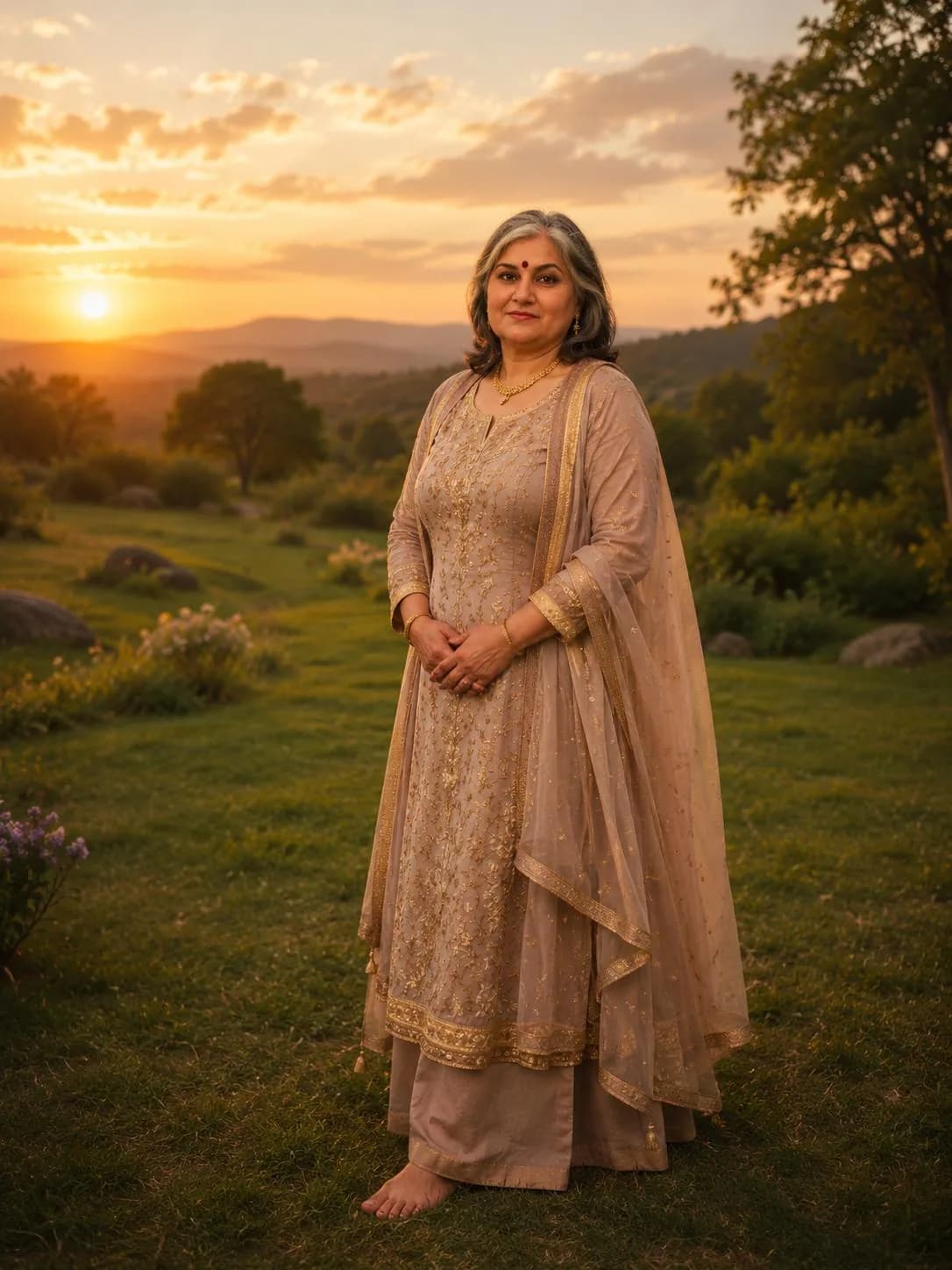
Chandini Botre, who trained as a nurse, blends several forms of energy work in her virtual sessions: Reiki, Pranic Healing, crystal energy work, chakra balancing, aura cleansing and elemental work with earth, water, fire, air and ether. You can explore her approach on the energy healing page, and every client starts with a free 30-minute consultation through book a session.
This guide is for general information and reflection. It is not medical or psychological advice. If you are in crisis in the US, call or text 988.