Chakras & Crystals · 10 min read
The 7 Chakras: Meanings, Signs of Imbalance and How to Balance Them

By Chandini Botre
Updated

In short
The chakras are energy centers described in yogic and tantric traditions, running from the base of the spine to the crown of the head. The modern seven-chakra system links each center to a color, a part of the body and a life theme, from safety at the root to spiritual connection at the crown. People work with them through breath, movement, sound, meditation and energy work to feel more balanced.
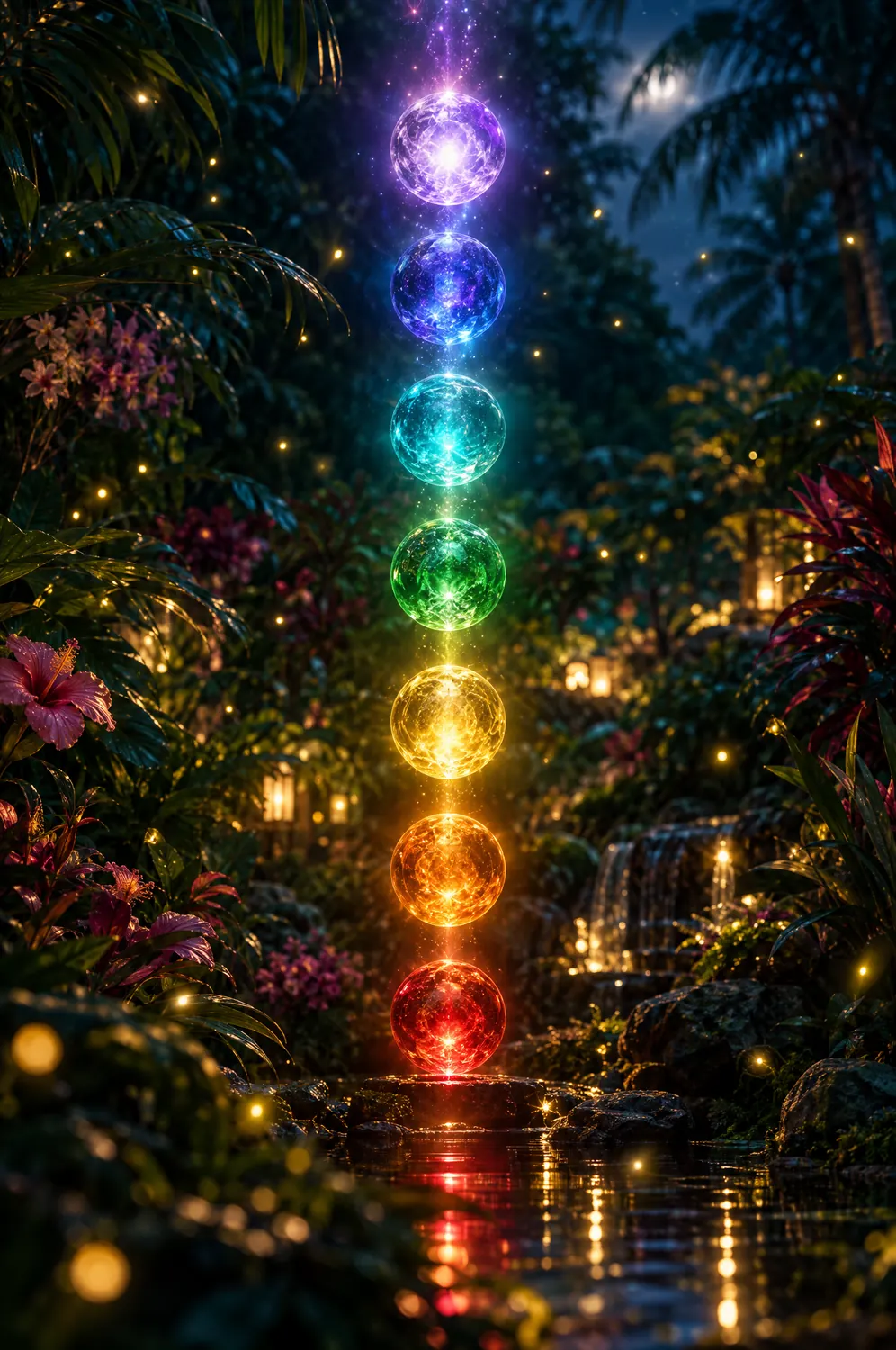
Chakras are energy centers described in the yoga and tantric traditions of India. The word chakra is Sanskrit for "wheel," and each center is pictured as a spinning wheel of energy along the spine. The seven-chakra system most people know today links each center to a color, a location in the body and a theme in your life. People use it as a map for noticing where they feel stuck and for guiding meditation, breathwork and energy healing.
What chakras are and where the system comes from
The chakras appear in Hindu and Buddhist tantric texts written over many centuries, and those texts describe different numbers of centers with different details. The seven-chakra map common today draws mainly on one Sanskrit text on the six chakras plus the crown, which reached English readers through early 20th-century translations. The rainbow color scheme was added later by Western teachers.
Knowing this history helps you hold the system well. It is a symbolic language for inner experience, and it is useful for reflection and practice. Chakras are not organs or nerves, and there is no scientific evidence that they exist as physical structures.
The seven chakras at a glance
| Chakra | Sanskrit name | Location | Color | Theme |
|---|---|---|---|---|
| Root | Muladhara | Base of the spine | Red | Safety, grounding, belonging |
| Sacral | Svadhisthana | Lower belly | Orange | Emotions, pleasure, creativity |
| Solar plexus | Manipura | Upper belly | Yellow | Confidence, willpower, self-worth |
| Heart | Anahata | Center of the chest | Green | Love, compassion, connection |
| Throat | Vishuddha | Throat | Blue | Expression, honesty, being heard |
| Third eye | Ajna | Between the eyebrows | Indigo | Intuition, insight, clarity |
| Crown | Sahasrara | Top of the head | Violet or white | Spiritual connection, meaning |
The meaning of each chakra
Each section below covers what the chakra represents, how people describe imbalance and a simple way to support it. The signs are ways of reflecting on how you feel. They do not diagnose anything, and any physical symptom should be checked by a doctor.
Root chakra (Muladhara)
The root chakra sits at the base of the spine and is linked with the earth element. It represents your sense of safety: a home, money for the basics, a body that feels solid and people you belong with.
When it feels underactive, people describe anxiety about survival, feeling scattered or "not in their body," and trouble settling. When it feels overactive, they describe clinging to security, resisting change or holding tightly to possessions and routines.
To support it: walk barefoot on grass or sand, eat warm and filling meals, keep a steady routine and try slow squats or standing poses. Holding a red or dark stone such as red jasper or hematite during meditation is a common crystal practice.
Sacral chakra (Svadhisthana)
The sacral chakra sits in the lower belly, below the navel, and is linked with water. It relates to emotions, pleasure, sensuality, creativity and your ability to go with the flow.
Underactive signs people describe include feeling numb, bored, creatively blocked or disconnected from pleasure. Overactive signs include emotional overwhelm, mood swings or relying heavily on outside stimulation.
To support it: dance, swim, take a bath, make something with your hands without judging the result and let yourself feel emotions as they come.
Solar plexus chakra (Manipura)
The solar plexus chakra sits in the upper belly, between the navel and the breastbone, and is linked with fire. It governs confidence, personal power, willpower and self-worth.
Underactive signs people describe include low confidence, trouble making decisions, people-pleasing and feeling powerless. Overactive signs include needing to control, perfectionism, anger and burnout from pushing too hard.
To support it: set one small goal and complete it, practice saying no, try core-strengthening movement, spend time in the sun and use yellow stones such as citrine or tiger's eye.
Heart chakra (Anahata)
The heart chakra sits in the center of the chest and is linked with air. It represents love, compassion, forgiveness and connection to others and yourself.
Underactive signs include loneliness, guardedness, holding grudges and trouble receiving care. Overactive signs include over-giving, losing yourself in relationships and ignoring your own needs.
To support it: practice gratitude, do a loving-kindness meditation, open the chest with gentle backbends and spend time with people or animals you love. Rose quartz and green aventurine are popular heart stones.
Throat chakra (Vishuddha)
The throat chakra sits at the throat and is linked with ether, or space. It is about expression, honesty and being heard.
Underactive signs include trouble speaking up, fear of judgment and swallowing your words. Overactive signs include talking over others, gossip or difficulty listening.
To support it: sing, hum, chant, journal, speak one honest sentence you would usually hold back and practice listening without planning your reply.
Third eye chakra (Ajna)
The third eye sits between the eyebrows. It is linked with intuition, imagination, insight and seeing clearly.
Underactive signs include feeling foggy, doubting your instincts and struggling to picture the future. Overactive signs include overthinking, getting lost in fantasy or feeling ungrounded.
To support it: meditate with your attention resting gently between the brows, keep a dream journal and spend time without screens. Amethyst is a popular third-eye stone.
Crown chakra (Sahasrara)
The crown sits at the top of the head. It represents spiritual connection, meaning and a sense of being part of something larger.
Underactive signs include feeling cynical, disconnected or without purpose. Overactive signs include spiritual bypassing, which means using spirituality to avoid ordinary feelings and responsibilities, or feeling disconnected from the body.
To support it: sit in silence, pray or meditate, spend time under the open sky and balance crown work with grounding practices so you stay in your body. Clear quartz and selenite are common crown stones.
How to unblock chakras: practices that help
"Unblocking" is the popular word, but most teachers talk about balance: bringing an overactive center down and an underactive center up. These practices can help with any chakra.
- Breathwork. Slow breathing into the area of the chakra helps you notice it. Try breathing in for four counts and out for six, with your hand resting on that part of the body.
- Movement. Yoga, walking, dancing and stretching move attention through the body. Hip openers for the sacral chakra and chest openers for the heart are common choices.
- Sound. Each of the first six chakras has a traditional seed sound, or bija mantra: LAM for the root, VAM for the sacral, RAM for the solar plexus, YAM for the heart, HAM for the throat and OM for the third eye. The crown is often honored with silence.
- Color and nature. Wearing a chakra's color, eating foods of that color or spending time in matching natural settings are simple reminders to tend that area.
- Crystals. Placing stones on the body or holding them in meditation is a popular way to focus on one center. See our crystal healing guide for which stones people use and how to cleanse them.
- Energy healing. Practices such as Reiki are often used to support chakra balancing in a relaxed, guided way.
- Emotional work. Chakras are tied to life themes, so balancing them often means working with the feelings underneath. Journaling or shadow work can help.
A simple chakra meditation
This ten-minute chakra meditation works through all seven centers. You can do it seated or lying down.
- Sit comfortably, close your eyes and take five slow breaths.
- Bring your attention to the base of your spine. Picture a warm red light there. Breathe into it for a few breaths and silently say, "I am safe."
- Move to your lower belly and picture orange light. Say, "I allow myself to feel."
- Move to your upper belly and picture yellow light. Say, "I trust myself."
- Move to the center of your chest and picture green light. Say, "I give and receive love."
- Move to your throat and picture blue light. Say, "I speak my truth."
- Move to the space between your eyebrows and picture indigo light. Say, "I trust what I see."
- Move to the top of your head and picture violet or white light. Say, "I am connected."
- Picture all seven lights glowing along your spine. Then bring your attention back down to your feet, feel the floor and open your eyes slowly.
Always finish with grounding. If you feel light-headed or spacey afterward, drink water, eat something and walk around.
When to see a doctor
Chakra work is a reflective and complementary practice. It does not diagnose or treat any condition. If you have pain, digestive problems, heart symptoms, headaches, trouble breathing or any other physical symptom, see a doctor. Chakra practice can sit alongside medical care but should never replace it.
Working with Chandini
Chandini offers virtual chakra balancing sessions by video call, using Reiki, Pranic Healing and crystal energy work to help you notice where you feel out of balance and settle back into your body. Her 60-minute Elemental Balance session (pay what feels right) is a good starting point. Read more on the chakra balancing page or book a free 30-minute consultation at book a session.
This guide is for general information and reflection. It is not medical or psychological advice. If you are in crisis in the US, call or text 988.