Moon & Ritual · 8 min read
The Five Elements: Earth, Water, Fire, Air and Ether in Healing

By Chandini Botre
Updated
In short
In yogic and Ayurvedic thought, everything is made of five great elements: earth, water, fire, air and ether (space). Each element carries its own qualities, so earth is stable, water flows, fire transforms, air moves and ether holds space. Elemental healing uses breath, movement, ritual and energy work to bring these qualities back into balance in body and mood.
The five elements are earth, water, fire, air and ether (space). In the yoga and Ayurveda traditions of India they are called the pancha mahabhuta, the "five great elements," and everything in nature, including your body and mind, is said to be made of them in different proportions. Each element carries a quality. Earth gives stability, water gives flow, fire gives transformation, air gives movement and ether gives space. Elemental healing works with these qualities to help you feel more balanced.
Where the five-element idea comes from
Several cultures have described the world through a small set of elements. They overlap in some ways, but they are separate systems.
Ayurveda and yoga: the pancha mahabhuta
In Indian philosophy the five great elements are:
- Prithvi, earth
- Jala (also called apas), water
- Agni (also called tejas), fire
- Vayu, air
- Akasha, ether or space
Each element is linked with one of the senses. Ether goes with sound and hearing, air with touch, fire with sight, water with taste and earth with smell.
Ayurveda combines the elements into three doshas, or mind-body types. Vata is air and ether, light and changeable. Pitta is fire and water, warm and intense. Kapha is earth and water, steady and heavy. If you have ever taken a dosha quiz, you have met the five elements already.
Chinese five phases: a different system
Traditional Chinese thought has its own set, often translated as the five elements but more accurately called the five phases (wu xing): wood, fire, earth, metal and water. It describes how processes grow, peak, decline and influence each other in cycles, and it underpins traditional Chinese medicine and feng shui. It shares some names with the Indian system but has different ideas and uses. This guide follows the Indian model.
The Greek elements and alchemy
Ancient Greek philosophers described four elements: earth, water, air and fire. Aristotle added a fifth, aether, as the substance of the heavens, which later writers called the quintessence, the "fifth essence." European alchemists worked with the four elements and the quintessence as they tried to understand how one substance could change into another. Spiritual healers borrow the word "alchemy" for that idea of change: the inner work of transforming heavy states into lighter ones.
Western astrology also uses four of the elements, grouping the zodiac signs into fire, earth, air and water. You can find your sun, moon and rising signs with the moon sign calculator and see which elements are strongest in your chart.
What each element governs
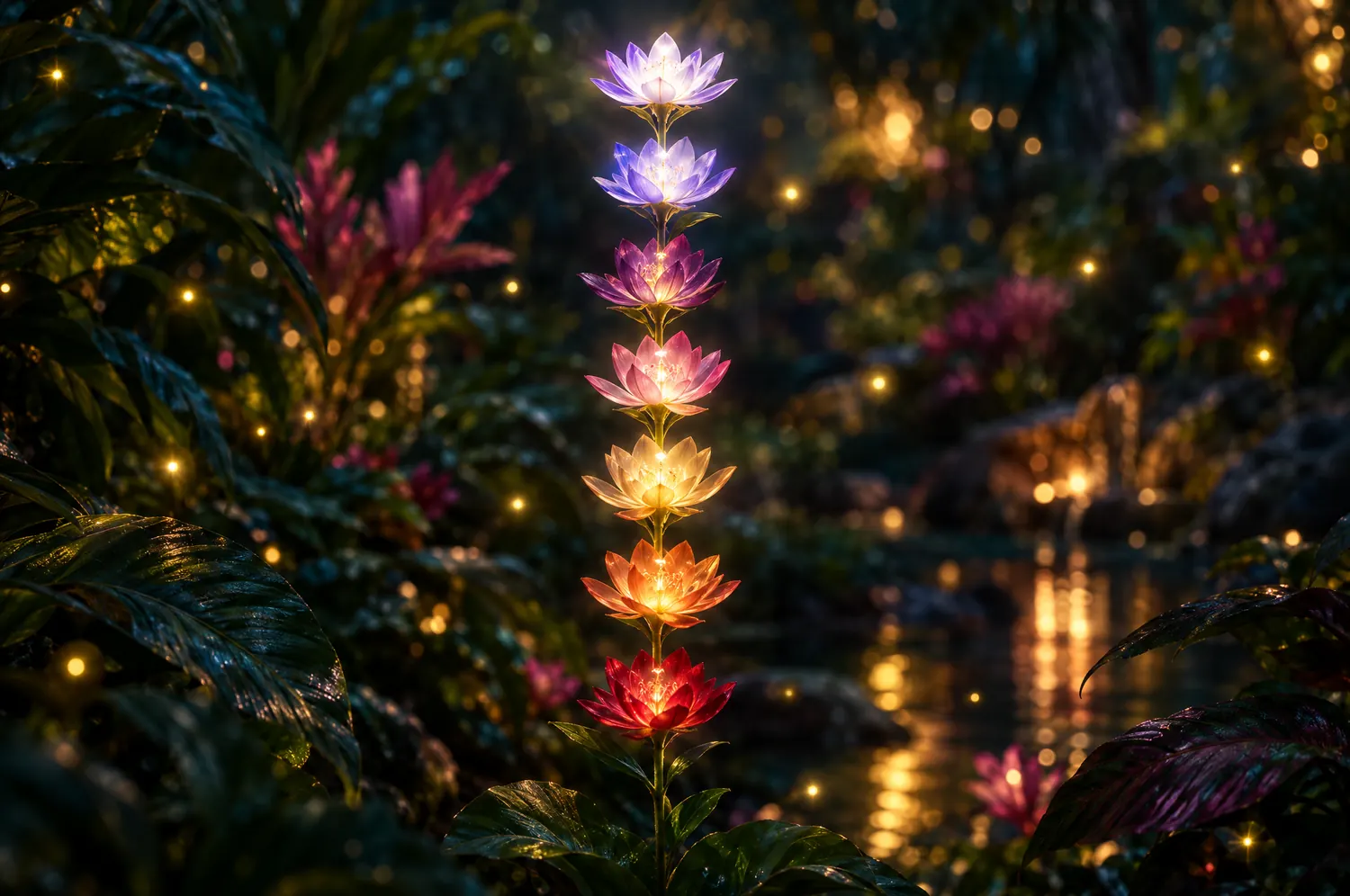
In energy work, each element is also linked with one of the lower five chakras. This pairing appears in traditional tantric texts and is still used in chakra practice today.
Earth
Qualities: stability, structure, patience, the physical body. Chakra: root (Muladhara).
When earth feels balanced, you feel grounded, safe and able to follow through. When it feels low, people describe feeling scattered, anxious or unable to settle. Too much earth can feel like heaviness, sluggishness or resistance to change.
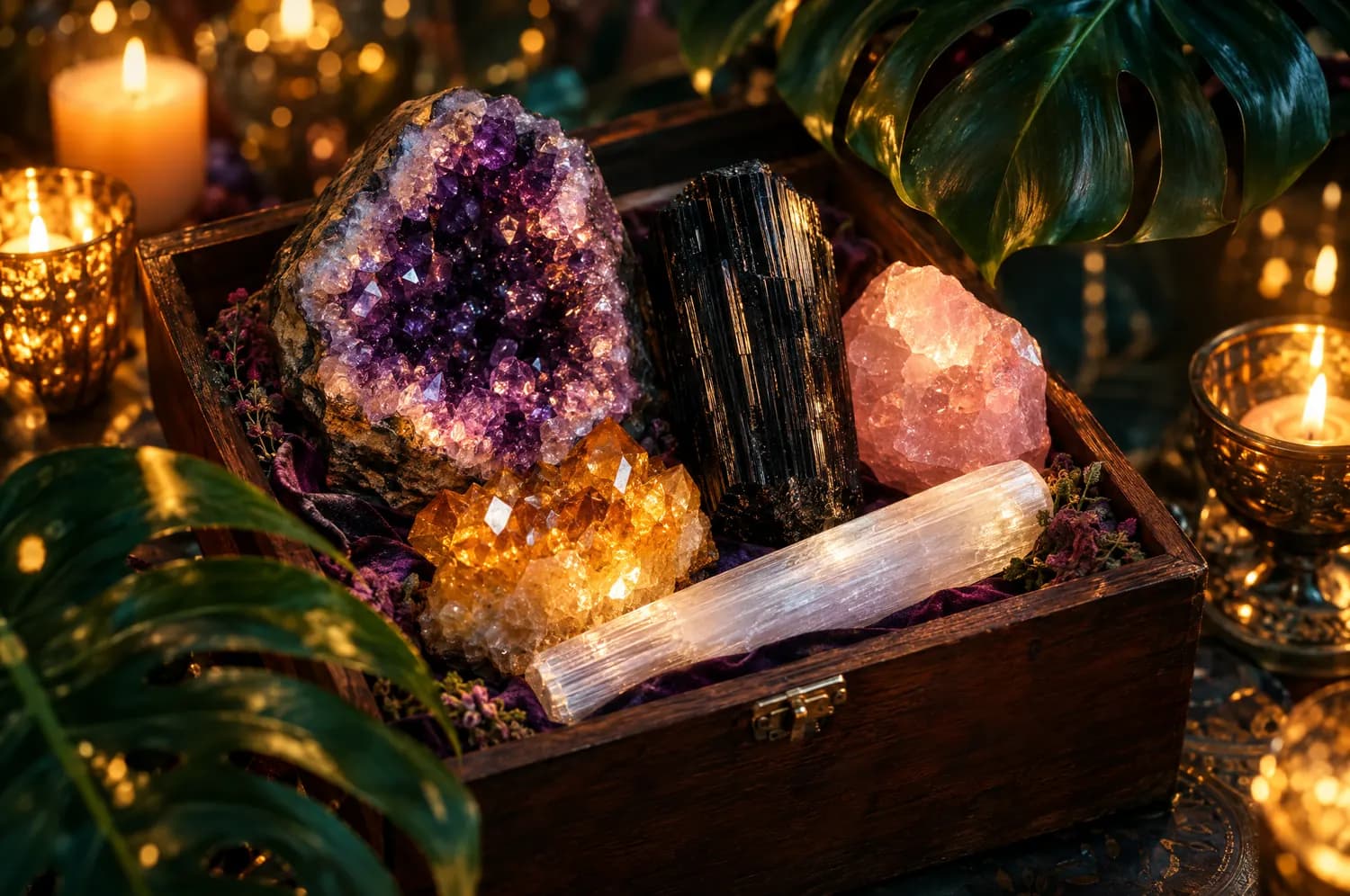
To work with earth: walk barefoot on grass or sand, garden, eat warm and hearty food, keep a steady routine, and hold a heavy stone such as hematite or smoky quartz.
Water
Qualities: flow, emotion, receptivity, pleasure, adaptability. Chakra: sacral (Svadhisthana).
Balanced water feels like emotional ease and creativity. Low water can show up as feeling dry, rigid, numb or disconnected from pleasure. Too much water can feel like emotional overwhelm or being swept along by other people's moods.
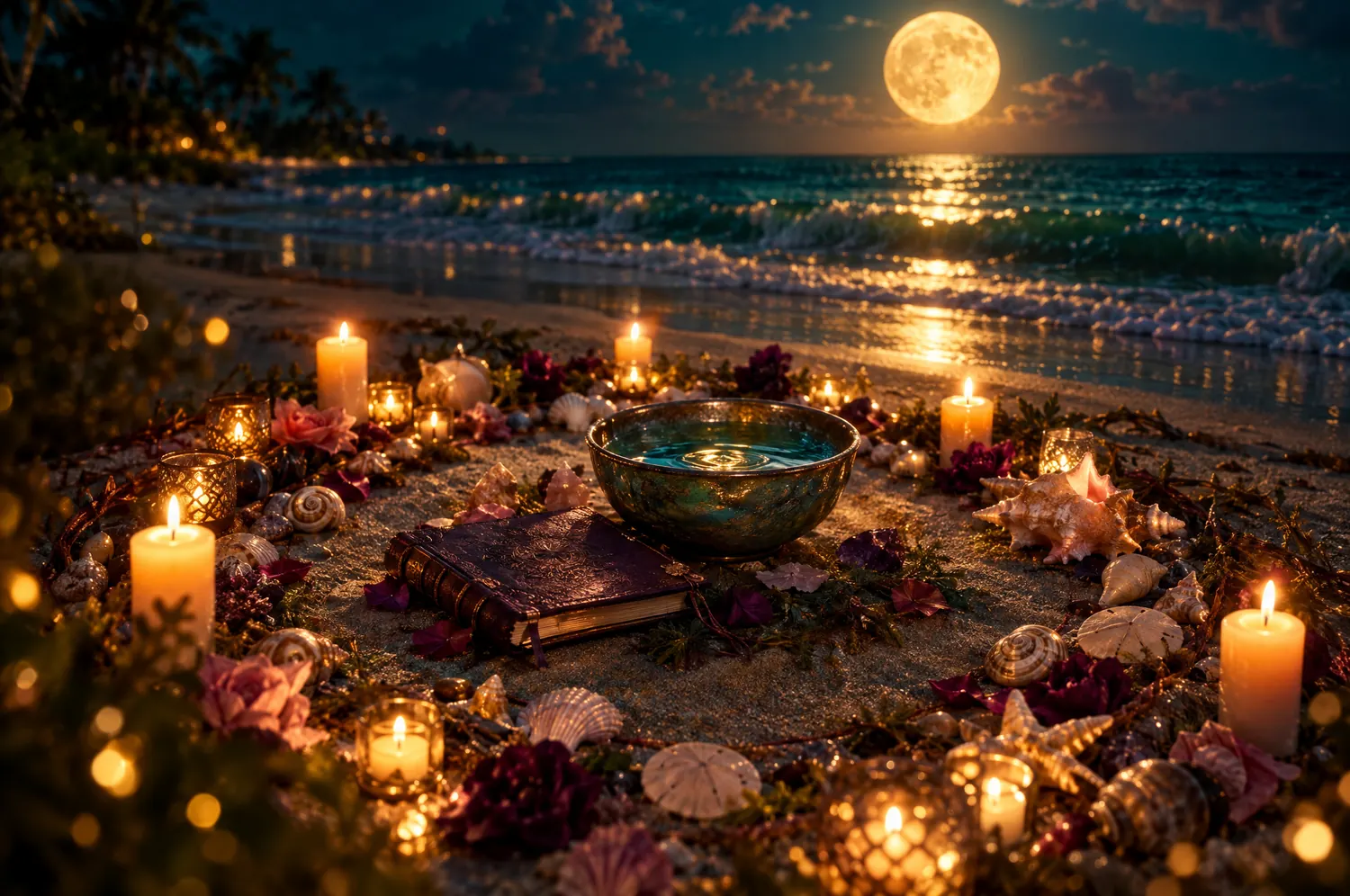
To work with water: swim, take a bath, drink enough water, let yourself cry, dance or move in flowing ways and spend time near the ocean, a lake or a spring. Many people also make moon water at the full moon.
Fire
Qualities: energy, willpower, digestion, confidence, transformation. Chakra: solar plexus (Manipura).
Balanced fire gives you motivation and clarity. Low fire can feel like flatness, low confidence or trouble starting things. Too much fire can feel like irritability, impatience or burnout.
To work with fire: get morning sunlight, move your body until you feel warm, light a candle as you set an intention, and take one small bold action. If you run hot, cool fire with rest, shade and water.
Air
Qualities: movement, breath, thought, lightness, connection. Chakra: heart (Anahata).
Balanced air brings openness, curiosity and a light heart. Low air can feel heavy, stuck or closed off. Too much air can feel like racing thoughts, restlessness or trouble sleeping.
To work with air: practice slow breathing, open a window, walk outside on a breezy day, try gentle chest-opening stretches, and write out racing thoughts to give them somewhere to go. If you have too much air, ground it with earth practices.
Ether
Qualities: space, stillness, sound, intuition, connection to something larger. Chakra: throat (Vishuddha), with the higher chakras often seen as beyond the elements.
Balanced ether feels like calm spaciousness and room to breathe. Low ether can feel crowded, overwhelmed or boxed in, with no space for yourself. Too much ether can feel spacey, disconnected or ungrounded.
To work with ether: sit in silence, listen to a singing bowl or chanting, hum, look up at the open sky, clear physical clutter from one corner of your home, and leave unscheduled time in your week.
A simple five-element check-in
Use this quick practice when you feel off and are not sure why.
- Sit comfortably and take three slow breaths.
- Earth: notice your feet and the weight of your body. Do you feel solid or floaty?
- Water: notice your emotions. Are they flowing, stuck or flooding?
- Fire: notice your energy and motivation. Is it low, steady or burning too hot?
- Air: notice your breath and thoughts. Are they calm or racing?
- Ether: notice the space around you and in your schedule. Do you have room, or do you feel crowded?
- Pick the element that feels most out of balance and choose one practice from the list above for today.
Elemental healing and the moon
The moon is often linked with water, emotion and cycles, which makes it a natural partner for elemental work. Many people use the new moon to rest and plant intentions, a quiet ether-and-earth time, and the full moon for release and cleansing, often with water and fire rituals such as moon baths and candle ceremonies. You can plan around the dates on the moon calendar.
How elemental healing works in a session
In an elemental healing session, a practitioner uses the five elements as a map. They notice which qualities feel strong or weak in your energy and then use tools such as Reiki, Pranic Healing, crystals, breath and guided visualization to bring those qualities back toward balance. For example, a session for someone who feels scattered might focus on earth, while someone who feels stuck might work with air and fire.
Like all energy work, this is a complementary practice. Scientific evidence is limited, and people come for how it feels: calmer, clearer and more settled. It does not diagnose or treat any condition, and it does not replace a doctor or therapist.
Working with Chandini
Chandini's elemental alchemy work draws on earth, water, fire, air and ether. Her 60-minute Elemental Balance session (pay what feels right) combines Reiki, Pranic Healing and crystal work to rebalance your energy. Her most popular offering, the 90-minute Alchemy Integration session (pay what feels right), combines elemental work with lunar wisdom. All sessions are virtual. See the full list on the services page, read about lunar cycle healing or start with a free 30-minute consultation at book a session.
This guide is for general information and reflection. It is not medical or psychological advice. If you are in crisis in the US, call or text 988.